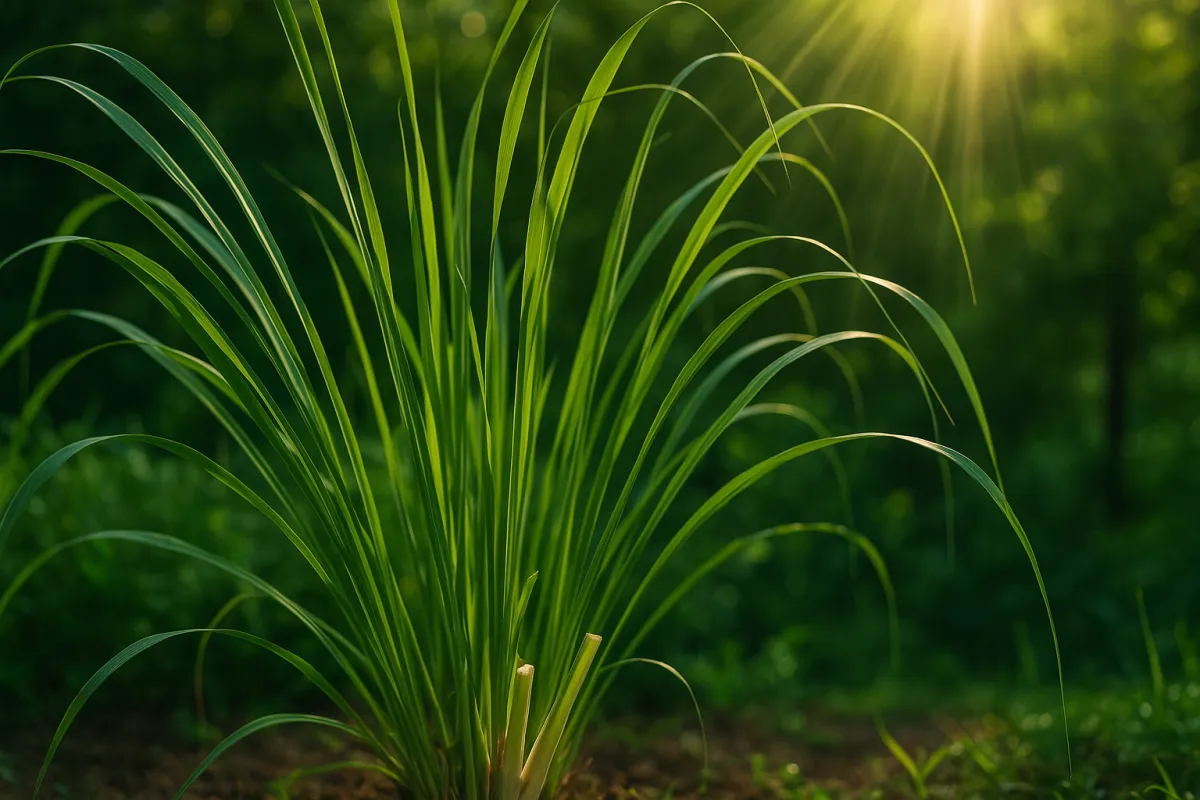
How to Grow Lemongrass: Complete Beginner's Guide to This Essential Thai Herb
If you've ever tasted authentic tom yum soup or Thai curry, you've experienced the fresh, citrusy magic of lemongrass. This aromatic herb is absolutely essential for Thai cooking, and here's the best news: it's one of the easiest Thai herbs to grow at home. Whether you're a complete gardening beginner or someone who's "killed every plant you've ever owned," lemongrass is incredibly forgiving and practically grows itself.
In this comprehensive guide, we'll show you exactly how to grow lemongrass from scratch, keep it thriving, and harvest enough for all your Thai cooking adventures.
What Exactly is Lemongrass?
Let's start with the basics. Lemongrass (Cymbopogon citratus) is a tropical grass that's beloved in Southeast Asian cuisine for its fresh, lemony fragrance and subtle citrus flavor.
Why Lemongrass is Perfect for Beginners
It's nearly indestructible: Once established, lemongrass tolerates neglect better than most herbs Fast growing: You can see results within weeks, not months Multiple harvests: Cut and it grows back stronger Affordable to start: A single grocery store stalk can become dozens of plants Beautiful ornamental: Looks like an elegant ornamental grass in your garden
Lemongrass vs. Lemon: Understanding the Difference
Lemongrass flavor:
Fresh, grassy, citrusy aroma
Subtle lemon taste without the acidity
Adds depth and complexity to dishes
Essential for authentic Thai flavors
When to use lemongrass instead of lemon:
Thai soups (tom yum, tom kha)
Curry pastes and marinades
Thai salads and stir-fries
Herbal teas and cocktails
You simply cannot substitute regular lemon for lemongrass – the flavors are completely different, and your Thai dishes won't taste authentic without real lemongrass.
Understanding Your Growing Options
The fantastic news is that lemongrass adapts to almost any growing situation. Here are your options:
Option 1: Outdoor Garden Growing
Best for: Warm climates (zones 9-11) or summer growing in cooler areas Method: Plant directly in garden beds or large outdoor containers Advantage: Plants can grow 3-6 feet tall and produce massive harvests
Option 2: Indoor Container Growing
Best for: Cold climates, year-round growing, or anyone with limited space Method: Large pots on sunny windowsills or under grow lights Advantage: Fresh lemongrass available 365 days a year
Option 3: Seasonal Container Growing
Best for: Areas with mild winters but occasional frost Method: Containers moved between outdoor and indoor locations Advantage: Best of both worlds – outdoor summer growth, protected winters
The beauty of lemongrass: It works in all these situations, so you can choose what fits your space and climate.
Getting Started: What You'll Need
Essential Supplies for Beginners
For any growing method:
Fresh lemongrass stalks from grocery store (easiest) OR plants from nursery
Large containers (minimum 5 gallons if growing in pots)
Quality potting soil or garden space
Basic watering can or hose
Budget estimate: $15-30 to get started with multiple plants
The Grocery Store Method (Recommended for Beginners)
This is the most economical and foolproof way to start:
What to buy:
Fresh lemongrass stalks from the produce section
Look for stalks with intact bottom portions (not just the leafy tops)
Choose the freshest, heaviest stalks available
Buy 3-4 stalks to ensure success
What to look for:
Firm, heavy stalks (not dried out)
Intact root end (bulbous bottom part)
Fresh, green appearance
Pleasant lemony scent when squeezed
Avoid:
Dried, lightweight stalks
Cut-off or damaged bottom portions
Yellowing or brown sections
Stalks that smell off or musty
Step 1: Starting Your Lemongrass Plants
The Foolproof Water Propagation Method
This method has a 90%+ success rate and is perfect for beginners:
Week 1: Set Up for Rooting
Trim lemongrass stalks to about 6 inches from the bottom
Remove outer dried layers until you reach fresh, white interior
Place stalks in glass jars with 2-3 inches of water
Put jars in bright, indirect light (kitchen window works great)
Change water every 2-3 days
Week 2-3: Watch for Roots
Look for small white roots emerging from the bottom
Roots should be 1-2 inches long before planting
Some stalks may also sprout new green growth from the top
Be patient – some stalks take longer than others
Week 3-4: Plant Your Rooted Stalks
Once roots are established, they're ready to plant
Handle gently – new roots are fragile
Plant immediately for best success
Pro tip: Start more stalks than you need. Some won't root, but the ones that do will give you plenty of plants.
Alternative: Buying Plants
If you prefer to skip propagation, many nurseries now sell lemongrass plants. This costs more but gives you instant success.
What to look for:
Healthy, green foliage
Multiple stalks per pot
No yellow or brown leaves
Plants that smell strongly lemony when touched
Step 2: Planting and Setup
Container Growing (Recommended for Beginners)
Container requirements:
Minimum 5 gallons (larger is better)
12+ inches deep
Multiple drainage holes
Heavy enough to support tall growth
Soil mix:
Use quality potting mix (never garden soil in containers)
Look for mixes labeled "vegetable" or "herb" growing
Ensure good drainage – lemongrass hates wet feet
Add compost for extra nutrition
Planting process:
Fill container 3/4 full with potting mix
Make holes deep enough for entire root system
Plant rooted stalks with crown (where leaves emerge) at soil level
Space multiple stalks 6 inches apart
Water thoroughly until water drains from bottom
Garden Bed Planting
Site selection:
Full sun to partial shade (6+ hours sun ideal)
Well-draining soil (avoid areas that stay soggy)
Protected from strong winds
Space for 3-4 foot spread
Soil preparation:
Test drainage by digging hole and filling with water
If water sits for hours, improve drainage with compost
Work in 2-3 inches of compost or aged manure
Create raised beds if drainage is poor
Planting:
Dig holes slightly larger than root ball
Plant at same depth as in propagation containers
Space plants 2-3 feet apart (they spread!)
Water deeply after planting
Mulch around plants to retain moisture
Step 3: Creating the Perfect Growing Environment
Light Requirements Made Simple
Outdoor growing:
6+ hours of direct sunlight daily
Morning sun is most important
Can tolerate some afternoon shade in hot climates
More sun = faster growth and stronger flavor
Indoor growing:
Place in brightest available window (south-facing ideal)
Supplement with grow lights if window isn't bright enough
LED grow lights work excellently for lemongrass
Need 12-14 hours of light daily for indoor growing
Signs your plant needs more light:
Pale, weak growth
Falling over or leaning toward light
Slow growth despite good care
Temperature and Water Basics
Temperature preferences:
Ideal range: 65-85°F (18-29°C)
Can tolerate brief drops to 40°F
Dies back in freezing temperatures (but roots survive)
Thrives in heat and humidity
Watering guidelines:
Keep soil consistently moist but not soggy
Water when top inch of soil feels dry
Deep, infrequent watering better than frequent shallow watering
Reduce watering in cooler weather
Humidity needs:
Tolerates low humidity better than other tropical herbs
Benefits from 40-60% humidity if possible
Group with other plants to increase local humidity
Not as fussy about humidity as galangal or basil
Step 4: Daily and Weekly Care Routine
Watering: The Key to Success
The lemongrass watering rule: It likes consistent moisture but hates wet feet.
How to water properly:
Check soil moisture by inserting finger 1-2 inches deep
Water when top inch feels dry but soil below is still slightly moist
Water slowly and deeply until it drains from bottom holes
Never let plants sit in standing water
Seasonal watering schedule:
Spring/Summer (active growth): 2-3 times per week
Fall: Gradually reduce as growth slows
Winter: Water only when soil surface is dry (once a week or less)
Container vs. garden watering:
Containers dry out faster and need more frequent watering
Garden plants develop deeper roots and need less frequent watering
Hot, windy weather increases water needs
Feeding Your Lemongrass
Simple feeding schedule:
Growing season: Feed monthly with balanced fertilizer
Container plants: Feed every 2-3 weeks during active growth
Winter: Reduce or stop feeding when growth slows
Best fertilizer options for beginners:
Balanced liquid fertilizer (10-10-10 or similar)
Fish emulsion (organic, promotes lush growth)
Compost (gentle, long-lasting nutrition)
How to fertilize:
Water plant first with plain water
Apply diluted fertilizer to moist soil
Follow package directions or use half-strength
Water lightly after fertilizing
Pruning and Maintenance
Regular maintenance tasks:
Remove dead leaves:
Cut brown or yellow leaves at the base
This keeps plants looking neat and healthy
Do this weekly during growing season
Harvest regularly:
Regular cutting encourages new growth
Don't be afraid to cut – lemongrass grows back quickly
Cut outer stalks first, leaving center to continue growing
Divide overcrowded clumps:
Every 2-3 years, dig up and divide large clumps
Each division should have roots and several stalks
Replant divisions or share with friends
Step 5: Harvesting Your Lemongrass
When and How to Harvest
First harvest timeline:
Light harvest: 8-12 weeks after planting
Regular harvests: Once established (3-4 months)
Best flavor: Young, tender stalks
How to harvest without damaging the plant:
For cooking (whole stalks):
Choose outer stalks that are pencil-thick or larger
Cut at ground level with sharp knife or scissors
Remove outer tough layers to reach tender white interior
Use bottom 6 inches for cooking, compost the rest
For teas and light flavoring:
Cut leafy tops any time
Use fresh or dry for herbal teas
Leaves regrow quickly after cutting
Continuous harvest method:
Cut stalks as needed for cooking
Always leave center stalks to continue growing
Plant will produce new stalks constantly during growing season
Using Your Fresh Lemongrass
Preparation for cooking:
Remove tough outer layers
Use only bottom 6 inches of stalk (tender white part)
Bruise with knife handle to release oils
Slice thin for salads, leave whole for soups
Storage options:
Fresh: Refrigerate in plastic bag for 2-3 weeks
Frozen: Slice and freeze for 6 months
Dried: Dry leaves for tea, lasts 1 year
Essential Thai recipes to try:
Tom yum soup
Thai green curry paste
Lemongrass chicken marinade
Fresh lemongrass tea
Troubleshooting Common Problems
Problem: Brown or Yellow Leaves
Most common causes and solutions:
Natural aging (most common):
Symptoms: Bottom leaves turn yellow/brown, top stays green
Solution: This is normal – just remove old leaves
Prevention: Regular removal of old foliage
Overwatering:
Symptoms: Yellowing from bottom up, musty smell, soft stalks
Solution: Reduce watering, improve drainage, remove affected parts
Prevention: Check soil moisture before watering
Underwatering:
Symptoms: Leaves turn brown from tips inward, soil pulls away from pot
Solution: Water more frequently, check soil moisture daily
Prevention: Establish consistent watering routine
Cold damage:
Symptoms: Sudden browning after cold weather
Solution: Cut back damaged parts, protect from future cold
Prevention: Move containers indoors when temperatures drop below 40°F
Problem: Slow Growth or No Growth
Common causes:
Insufficient light:
Solution: Move to brighter location or add grow lights
Lemongrass needs 6+ hours of direct sun daily
Root bound (container plants):
Symptoms: Water runs straight through pot, growth slows despite good care
Solution: Transplant to larger container or divide plant
Prevention: Check roots annually, repot when needed
Cold temperatures:
Solution: Keep temperatures above 60°F for active growth
Lemongrass grows slowly or stops growing below 60°F
Poor nutrition:
Solution: Resume regular feeding schedule
Established plants need regular nutrients for best growth
Problem: Pest Issues
Common pests (lemongrass is generally pest-resistant):
Aphids (small green/black insects):
Solution: Rinse off with water, use insecticidal soap
Prevention: Inspect plants weekly, encourage beneficial insects
Spider mites (tiny webs on leaves):
More common on indoor plants in dry conditions
Solution: Increase humidity, rinse leaves weekly
Prevention: Maintain adequate humidity levels
Scale insects (brown bumps on stems):
Solution: Remove with alcohol-soaked cotton swab
Prevention: Inspect plants regularly, quarantine new plants
Grasshoppers (outdoor plants):
Can be a problem in some areas
Solution: Row covers during peak grasshopper season
Prevention: Encourage beneficial predators like birds
Problem: Plants Dying Back in Winter
This is normal in cold climates!
What happens:
Foliage dies back when temperatures drop below 40°F
Roots remain alive underground
Plants regrow from roots in spring
What to do:
Cut dead foliage to ground level
Mulch heavily over root area
Stop watering (or water very little if in containers)
Be patient – new growth appears when weather warms
Container plants:
Move to protected area (garage, basement)
Reduce watering dramatically
Resume normal care when new growth appears
Advanced Tips for Maximum Success
Companion Planting
Great companions for lemongrass:
Galangal (similar care requirements)
Thai basil (benefits from lemongrass's pest-repelling properties)
Ginger (same cultural needs)
Tomatoes (lemongrass may help repel pests)
Avoid planting near:
Plants that need very different watering schedules
Shallow-rooted plants (lemongrass spreads)
Creating a Thai Herb Garden
Design tips:
Plant lemongrass as backdrop (it gets tall)
Use as natural screen or windbreak
Group Thai herbs together for microclimate
Consider paths between clumps for easy harvesting
Propagation and Expansion
Once established, lemongrass is easy to multiply:
Division method (best):
Dig up established clump in spring
Separate into sections with roots and stalks
Each section can become a new plant
Replant immediately
Seed starting (more challenging):
Lemongrass seeds are available but slow to germinate
Much easier to propagate from divisions or grocery store stalks
Sharing with friends:
Lemongrass divisions make excellent gifts
Include care instructions and recipe suggestions
Help build community of Thai herb gardeners
Seasonal Care Calendar
Spring (Growth Resumes)
Indoor plants: Increase watering and resume feeding
Outdoor plants: Remove winter mulch, cut back any dead foliage
All plants: Time for repotting or dividing if needed
Summer (Peak Growing Season)
Watering: Monitor closely in hot weather
Harvesting: Regular harvests encourage new growth
Feeding: Monthly fertilization for best growth
Fall (Preparing for Winter)
Gradually reduce watering as growth slows
Final harvest before cold weather
Container plants: Begin transitioning indoors
Winter (Dormant Period)
Cold climates: Plants die back naturally
Warm climates: Reduced growth, less water needed
All plants: Minimal care, no fertilizing
Beyond the Basics: Advanced Techniques
Maximizing Harvests
Succession planting:
Start new plants every few months
Ensures continuous supply of tender young stalks
Stagger container and garden plantings
Intensive container growing:
Use largest possible containers
Plant multiple stalks per container
Feed and water consistently for maximum production
Creating Microclimates
For cooler climates:
Use thermal mass (stones, water) to moderate temperatures
Plant against south-facing walls for reflected heat
Use cold frames to extend growing season
For hot, dry climates:
Create afternoon shade with taller plants
Use mulch heavily to conserve moisture
Group plants to increase local humidity
Value-Added Processing
Making lemongrass products:
Dry leaves for herbal tea blends
Make lemongrass simple syrup for cocktails
Freeze chopped lemongrass in ice cubes
Create lemongrass-infused oils
Your Lemongrass Success Story Starts Here
Growing lemongrass is one of the most rewarding entries into Thai herb gardening. It's forgiving, fast-growing, and produces abundant harvests with minimal care. Whether you're starting with grocery store stalks on your kitchen counter or planting a full garden bed, you'll be amazed at how easy and satisfying it is to grow your own lemongrass.
Remember these key success factors:
Start with fresh, healthy stalks from the grocery store
Provide adequate light (6+ hours daily)
Water consistently but don't overdo it
Be patient with establishment (first few months)
Harvest regularly to encourage growth
Your first homemade tom yum soup with fresh lemongrass will be a revelation. The bright, fresh flavor is incomparable to dried lemongrass, and you'll never want to go back to store-bought.
Ready to start? Head to your local Asian grocery store, pick up some fresh lemongrass stalks, and begin your journey into growing this essential Thai herb. Within a few months, you'll have more fresh lemongrass than you know what to do with – and your Thai cooking will never be the same.
Start simple, be consistent, and enjoy watching this beautiful, aromatic grass transform your garden and your kitchen!
