Authentic Pad Thai Recipe: Master Thailand's Most Famous Noodle Dish at Home
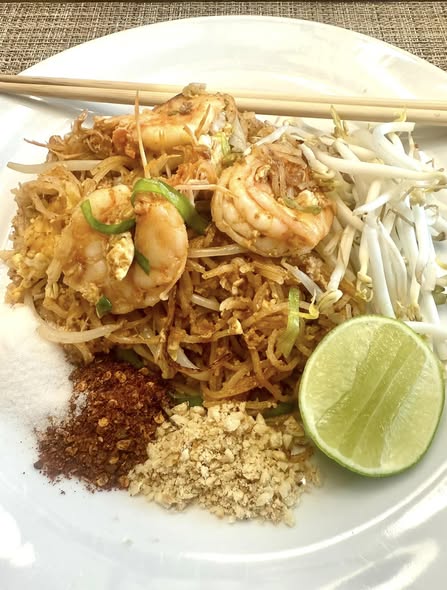
Pad Thai stands as Thailand's most beloved export to the culinary world - a perfect harmony of sweet, sour, salty, and umami flavors that has captivated food lovers globally. This iconic stir-fried rice noodle dish represents more than just street food; it embodies the essence of Thai cuisine's masterful balance and has become the benchmark by which every Thai restaurant is measured.
What makes Pad Thai truly authentic? Unlike the overly sweet, ketchup-laden versions found in many Western restaurants, genuine Pad Thai achieves its signature tangy-sweet profile through tamarind paste, palm sugar, and fish sauce - creating complex layers of flavor that dance on your palate. The dish's relatively recent invention in the 1930s as part of Thailand's national identity campaign makes it a fascinating example of how culinary traditions can be both modern and deeply rooted in cultural significance.
The Story Behind Thailand's National Dish
Pad Thai literally translates to "Thai-style stir-fried noodles," and its creation tells a remarkable story of nationalism and culinary innovation. During the 1930s and World War II era, Thai Prime Minister Plaek Phibunsongkhram promoted Pad Thai as part of a nation-building campaign, encouraging citizens to embrace rice noodles over rice to address wartime shortages while establishing a distinctly Thai culinary identity.
The dish's Chinese-influenced origins reflect Thailand's multicultural heritage. Thai-Chinese immigrants adapted their stir-fried noodle techniques to local tastes, incorporating the four fundamental Thai flavor profiles that Central Thai people craved: hot, sour, sweet, and salty. This fusion created something entirely new - a dish so successful it became synonymous with Thai cuisine worldwide.
From street cart to global phenomenon, Pad Thai's journey mirrors Thailand's own cultural expansion. The Thai government even used the dish as "soft power," establishing thousands of Thai restaurants globally to spread cultural influence through food. Today, Pad Thai ranks as the world's fifth most popular dish, yet authentic versions remain surprisingly rare outside Thailand.
Essential Ingredients That Define Authentic Pad Thai
The Foundation: Rice Noodles and Proteins
Authentic Pad Thai starts with the right noodles - flat rice sticks (sen lek) about 1/4 inch wide that provide the perfect texture for absorbing the complex sauce. These differ significantly from round rice noodles or other Asian noodle varieties, offering the ideal balance of chewiness and sauce absorption.
Traditional proteins include fresh shrimp, chicken, or firm tofu - often combining multiple proteins in a single dish. The shrimp adds sweetness and texture, while tofu provides substance and absorbs the surrounding flavors. Eggs, scrambled directly in the wok with the other ingredients, contribute richness and help bind the dish together.
The Flavor Builders: Authentic Thai Ingredients
Tamarind paste forms the soul of Pad Thai sauce, providing the distinctive sweet-sour tang that separates authentic versions from imitations. This tropical fruit paste, preferably from Thai sources, creates complexity impossible to replicate with vinegar or ketchup substitutes. The sourness varies between brands, so tasting and adjusting becomes crucial for perfect balance.
Palm sugar delivers authentic sweetness with subtle caramel notes that granulated sugar cannot match. While brown sugar works as a substitute, palm sugar's complex flavor profile enhances the dish's depth. Thai fish sauce adds essential umami and saltiness - use it judiciously as its intensity can overwhelm Western palates unaccustomed to its bold flavor.
Ground dried shrimp creates the characteristic "funk" that defines street-style Pad Thai. Even in non-shrimp versions, this ingredient adds oceanic depth similar to how anchovies enhance Italian sauces. Medium or large dried shrimp work best when processed to a coarse powder, distributing their essence throughout every bite.
Vegetables and Aromatics That Complete the Dish
Garlic chives (not regular chives) provide essential sharpness and vibrant green color. These flat-leafed herbs offer a pronounced garlic flavor that regular chives cannot replicate. Added at the end of cooking, they maintain their bright color and crisp texture while contributing crucial freshness to balance the rich sauce.
Bean sprouts add textural contrast with their satisfying crunch and clean, refreshing taste. Fresh sprouts should be crisp and white, added during the final moments of cooking to preserve their snap. They also provide necessary bulk without overwhelming the delicate flavor balance.
Thai preserved salted radish (hua chai po) contributes salty-sweet complexity and slight crunch. This traditional ingredient, made from Chinese white radish, adds layers of flavor that many Western adaptations miss entirely. If unavailable, Chinese preserved mustard stem (zha cai) serves as an acceptable substitute.
Regional Variations Across Thailand
Bangkok Style: The Classic Template
Bangkok-style Pad Thai represents the most refined version of the dish, emphasizing balance and elegance over bold regional characteristics. Central Thai cuisine values harmony between all flavor elements, creating Pad Thai that's approachable yet complex. This version typically features a sweeter profile with delicate tamarind notes and careful spice levels.
Street vendors in Bangkok perfect their technique through repetition, cooking individual portions in blazing hot woks within minutes. Their version focuses on achieving the perfect "wok hei" - the breath of the wok that adds smoky depth impossible to replicate in home kitchens without proper equipment and technique.
Northern Thailand: Spicier and More Sour
Chiang Mai-style Pad Thai turns up the heat with more chilies and stronger sour notes, reflecting Northern Thailand's preference for bold flavors. This regional variation often incorporates local chilies and herbs, creating a more aggressive flavor profile that challenges the palate while maintaining the essential Pad Thai structure.
Northern versions may include coconut milk or regional vegetables, adapting the dish to local ingredients and preferences. The cooler climate allows different herbs to flourish, creating subtle variations in the garnish and aromatics that accompany the finished dish.
Southern Thailand: Seafood Focus and Intense Flavors
Southern Thai Pad Thai emphasizes fresh seafood due to the region's coastal location. Squid, scallops, and various shrimp varieties appear regularly, changing cooking techniques to accommodate delicate proteins. The abundance of fresh seafood creates opportunities for premium versions impossible in inland regions.
Southern versions run spicier overall, with heat that builds gradually rather than hitting immediately. The tropical climate supports different ingredient availability, sometimes including coconut sugar or other regional specialties that subtly alter the final flavor profile while maintaining Pad Thai's essential character.
Common Mistakes That Ruin Authentic Pad Thai
Noodle Preparation Disasters
Never boil dried rice noodles - this fundamental mistake creates mushy, broken noodles that cannot properly absorb the sauce. Instead, soak dried noodles in room temperature water for 30-60 minutes until flexible but still firm. They'll finish cooking in the wok with the sauce, achieving perfect texture.
Overcrowding the pan causes steaming instead of stir-frying, leading to soggy, uneven results. Professional street vendors cook individual portions for good reason - home cooks should follow this practice, preparing maximum two servings per batch to maintain proper heat and avoid moisture buildup.
Using wrong noodle proportions creates either dry, under-sauced noodles or soupy, over-diluted results. Measure noodle portions carefully according to recipe specifications - typically 4-6 ounces of dry noodles per serving, not entire packages that throw off the crucial sauce-to-noodle ratio.
Sauce Balance Failures
Ketchup has no place in authentic Pad Thai despite its prevalence in Western adaptations. This shortcut creates artificial sweetness and unnatural red coloring that completely changes the dish's character. Invest in proper tamarind paste for authentic flavor - the difference is dramatic and immediately noticeable.
Measuring sauce ingredients by eye rather than following precise ratios leads to disappointment. Pad Thai requires specific balance between sweet, sour, and salty elements - small variations create significant flavor changes. Measure carefully, especially when learning the recipe, then adjust gradually based on taste preferences.
Cooking Technique Errors
Adding ingredients in wrong order ruins texture and flavor development. Heat garlic first, then proteins, followed by sauce and noodles, with vegetables and bean sprouts added last. Scrambled eggs cook separately, pushed to one side of the pan rather than mixed throughout the cooking process.
Insufficient heat prevents proper caramelization and wok hei development. Home stoves may not achieve restaurant-level heat, but using maximum temperature and preheating the pan thoroughly helps approximate professional results. The sauce should sizzle and slightly caramelize, not simmer gently.
Step-by-Step Authentic Pad Thai Technique
Preparation Phase: Mise en Place
Prepare all ingredients before heating the wok - Pad Thai cooks so quickly that stopping to chop vegetables ruins the timing. Soak noodles to proper texture, whisk eggs, mix sauce components, and arrange everything within arm's reach of the stove.
Test your tamarind paste acidity by tasting it directly. If it makes you pucker, use the minimum amount specified in recipes. Milder tamarind allows for more generous portions. This crucial step prevents overly sour finished dishes that require lime juice corrections.
The Cooking Process: High Heat and Quick Movements
Heat the wok until smoking before adding oil, then work quickly through each stage. Add aromatics first for 15-30 seconds, followed by proteins cooked just until done. Push everything aside, scramble eggs in the cleared space, then combine with noodles and sauce.
Toss ingredients gently but constantly to prevent sticking and ensure even sauce distribution. Use a combination of tossing and folding motions rather than aggressive stirring that breaks noodles. The entire cooking process should take 3-4 minutes maximum once ingredients enter the wok.
Add bean sprouts and garnishes last, cooking just enough to warm them while preserving their crunch. Remove from heat immediately once everything is combined and heated through - residual heat continues cooking even after the burner turns off.
Final Assembly and Presentation
Garnish traditionally with crushed peanuts, lime wedges, and fresh cilantro. These final additions provide textural contrast and allow diners to adjust flavors according to personal preference. Quality restaurants often serve additional condiments like chili flakes and extra fish sauce on the side.
Serve immediately while hot - Pad Thai doesn't hold well and loses its textural appeal as it cools. The noodles continue absorbing sauce, eventually becoming mushy if left sitting. Plan timing so the dish goes directly from wok to table.
Authentic Garnishes and Serving Traditions
Traditional Accompaniments
Fresh lime wedges are non-negotiable - their bright acidity cuts through the rich sauce while allowing diners to adjust sourness levels. Quality Thai restaurants always serve lime alongside Pad Thai, understanding its crucial role in the eating experience.
Crushed roasted peanuts add essential texture and nutty richness while providing relief from spicy heat. The fat content in peanuts helps neutralize capsaicin, explaining why Thai restaurants keep peanuts readily available for diners who order dishes too spicy for their tolerance.
Thai chili flakes (prik bon) offer heat options for those wanting additional spice. These differ from standard red pepper flakes, providing more complex heat with subtle smokiness. A small pinch transforms the entire dish's character for heat seekers.
Proper Serving Style
Eat Pad Thai with a fork and spoon, not chopsticks - despite Western assumptions about Asian food. Thai dining etiquette uses the spoon as the primary utensil, with the fork helping guide food onto it. This method works perfectly with Pad Thai's texture and prevents noodle wrestling.
Serve on warmed plates when possible, as the dish's appeal depends significantly on temperature. Cold Pad Thai loses much of its charm, making proper serving temperature crucial for the authentic experience.
Making Pad Thai Your Own While Staying Authentic
Protein Variations Within Tradition
Experiment with different seafood combinations - try squid, scallops, or multiple shrimp varieties while maintaining the dish's essential character. Southern Thai variations embrace seafood diversity, providing precedent for creative protein choices that respect traditional flavor profiles.
Vegetarian versions substitute firm tofu for all proteins while replacing fish sauce with additional soy sauce or vegetarian alternatives. Some Buddhist temple versions achieve remarkable depth using mushrooms and fermented bean pastes to replace the umami typically provided by seafood.
Adjusting Heat and Sweetness
Customize spice levels gradually by adjusting chili content rather than adding hot sauce after cooking. Fresh Thai chilies integrated during cooking provide better heat distribution than surface-level spice additions that don't penetrate the dish's flavor layers.
Balance sweetness according to regional preferences - Americans often prefer less sugar than traditional Thai versions contain. Reduce palm sugar gradually while tasting, remembering that some sweetness is essential for authentic flavor balance.
[Your authentic Pad Thai recipe would be inserted here]
Troubleshooting Your Pad Thai
Fixing Common Flavor Issues
If your Pad Thai tastes too sour, add small amounts of palm sugar or brown sugar until balanced. Excessive tartness usually indicates too much tamarind or lime juice - sweetness provides the necessary counterbalance without masking the dish's essential character.
Overly salty results require dilution with additional cooked noodles or a splash of water during cooking. Fish sauce potency varies between brands, making initial conservatism wise until you understand your particular sauce's strength.
Bland or flat-tasting Pad Thai often lacks sufficient tamarind or fish sauce. These ingredients provide the dish's backbone - without adequate amounts, even perfect technique cannot create satisfying results. Build flavor gradually, tasting frequently.
Texture Solutions
Mushy noodles cannot be fixed once overcooked, emphasizing proper preparation's importance. Prevention through correct soaking times and avoiding overcrowding prevents this common disaster that ruins otherwise well-flavored dishes.
If noodles seem dry during cooking, add small amounts of water (1-2 tablespoons maximum) to help steam them lightly. Too much liquid creates soup rather than stir-fry, so exercise restraint while ensuring noodles reach proper tenderness.
The Cultural Significance of Perfect Pad Thai
Mastering Pad Thai connects you to Thai culinary philosophy - the pursuit of perfect balance that characterizes this remarkable cuisine. Each successful batch deepens appreciation for the complexity hidden within seemingly simple street food, revealing why this dish captivated the world.
Authentic Pad Thai represents cultural bridge-building through food, offering Western cooks genuine insight into Thai flavor principles. Understanding these concepts opens doors to the entire Thai culinary universe, making Pad Thai an ideal starting point for serious exploration.
Sharing homemade authentic Pad Thai creates opportunities to educate others about genuine Thai cuisine beyond the often-diluted restaurant versions. Each properly balanced bite demonstrates the difference between authentic and imitation, potentially inspiring others to seek out real Thai flavors.
Your journey toward Pad Thai mastery begins with respecting the dish's authentic ingredients and traditional techniques while remaining open to the subtle regional variations that make Thai cuisine endlessly fascinating. With practice, patience, and proper ingredients, you'll discover why this remarkable creation became Thailand's greatest culinary ambassador to the world.
